
Kopfzentrum Bielefeld
Surgery for inflammatory conditions
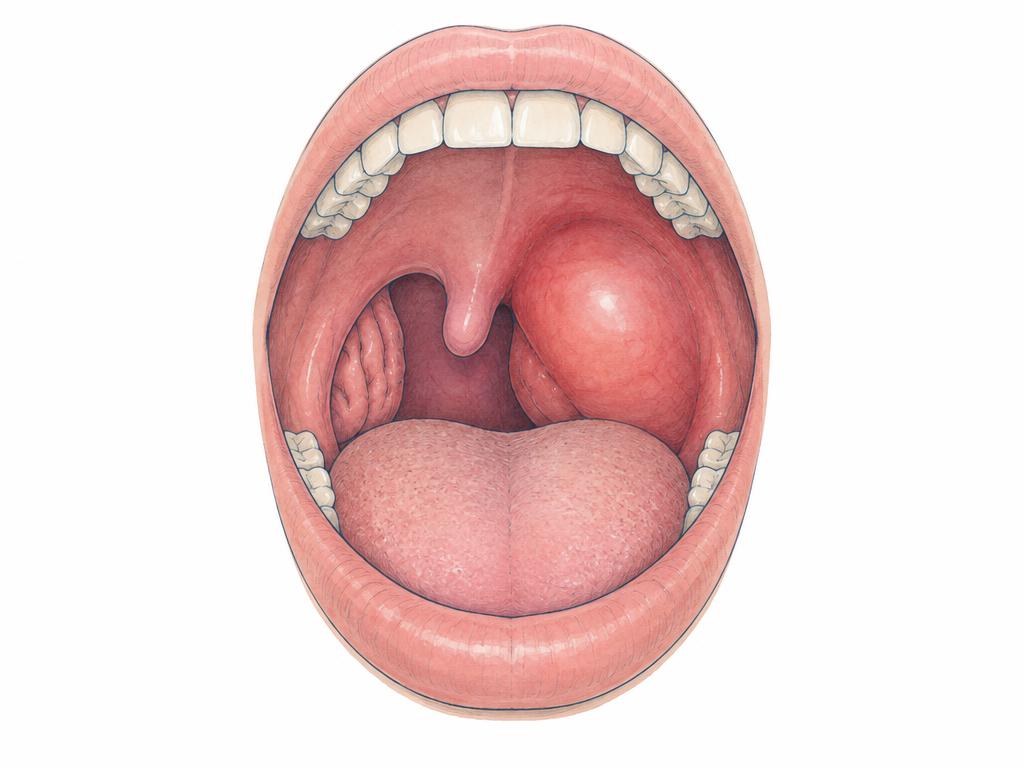
Changes in the oral mucosa, such as aphthous ulcers or herpes, are often painful but usually harmless. They are frequently caused by bacterial, viral or fungal infections that cause swelling, irritation and inflammation in the mouth. Factors such as smoking, poor oral hygiene or excessive alcohol consumption can also contribute to changes in the oral mucosa.
Treatment options
Aphthous ulcers: Aphthous ulcers are superficial, usually harmless inflammations of the oral mucosa that appear as whitish pustules or blisters with a red border. They can be very painful.
They are caused by various pathogens, food intolerances, certain medicines, stress or hormones. They occur more frequently when the body is affected by infections and the immune system is weakened.
Laser treatment, which causes little pain, is recommended for aphthous ulcers: the inflamed areas are irradiated, and the ulcers usually subside quickly.
Herpes infection: Cold sores are a very common viral disease, usually contracted in childhood. The initial infection manifests as inflammation inside the mouth. Later, the disease appears as cold sores and can recur at any time due to stress, excessive sun exposure or a weakened immune system.
Cold sores appear as small, weeping blisters on the lips and mouth that may itch or hurt. The disease is contagious until the blisters have dried out. Herpes is generally harmless and heals on its own after eight to ten days.
Leukoplakia: Leukoplakia refers to whitish, patch-like changes in mucosal tissue, for example in the oral mucosa or larynx. They usually cause no pain and are therefore generally diagnosed during a check-up at your dental practice.
Leukoplakias are generally harmless, but a tissue sample must always be taken and examined to rule out a malignant tumour.
Initially, the triggers that have irritated the oral mucosa are treated. For example, partial or full dentures can be adjusted, or tooth decay or misaligned teeth treated. If the affected areas do not then heal on their own within a few weeks, the oral mucosal lesion is surgically removed. As these lesions can recur, regular follow-up should always take place afterwards.