
Kopfzentrum Bielefeld
Balance disorders and dizziness
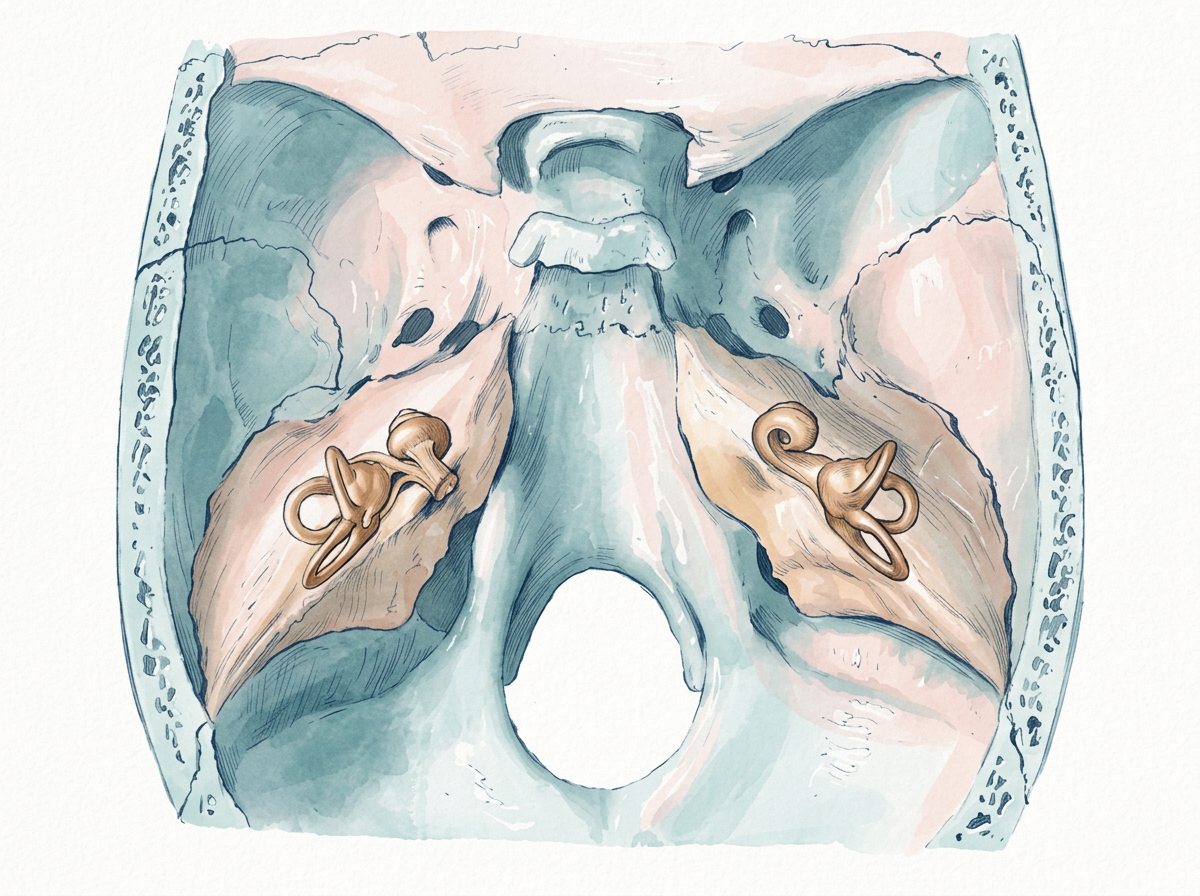
The balance system is a complex interaction between various receptors in the body and the brain that enables us to maintain balance and orient ourselves in space. It takes account of information from the eyes, pressure sensations in the feet and joints, and sensations in the cervical spine to create an accurate picture of the body's position. The balance organ in the inner ear helps to detect rotational movements and the feeling of weight due to gravity.
Causes
Typical disorders of the balance organ:
Benign paroxysmal positional vertigo (BPPV): small ‘stones’ or ‘crystals’ in the balance organ become dislodged, causing spinning vertigo with certain head movements. Repositioning manoeuvres and balance exercises can help.
Acute vestibulopathy: loss of function of one balance organ or the hearing/balance nerve. Characterised by severe spinning vertigo, often with nausea and vomiting. Inpatient treatment with cortisone and medication may be necessary.
Ménière's disease: recurrent attacks of spinning vertigo, hearing loss and tinnitus in one ear. An imbalance between different fluids in the balance and hearing organs is suspected.
Less common causes: vestibular paroxysmia, vestibular migraine or semicircular canal dehiscence.
Functional dizziness: the cause of dizziness remains unclear despite extensive investigations. This may indicate a harmless form that can be treated effectively with balance exercises and physical activity.
Diagnosis
Emergency examinations: in cases of severe dizziness, a screening neurological examination to rule out a stroke. An ENT specialist is consulted if a balance organ disorder is suspected.
Further investigations: after the patient has recovered, hearing tests, balance organ tests and neurological examinations are performed to establish a diagnosis.
Treatment options
Medication for dizziness and nausea may be administered depending on the cause. If a balance organ loses its function, infusion treatment with cortisone is often necessary. Balance exercises and mobilisation are crucial for rehabilitation.
Fitness to drive
Following acute balance disorders, fitness to drive is generally not assured and must be confirmed by our experts.