
Kopfzentrum Bielefeld
Hearing disorders
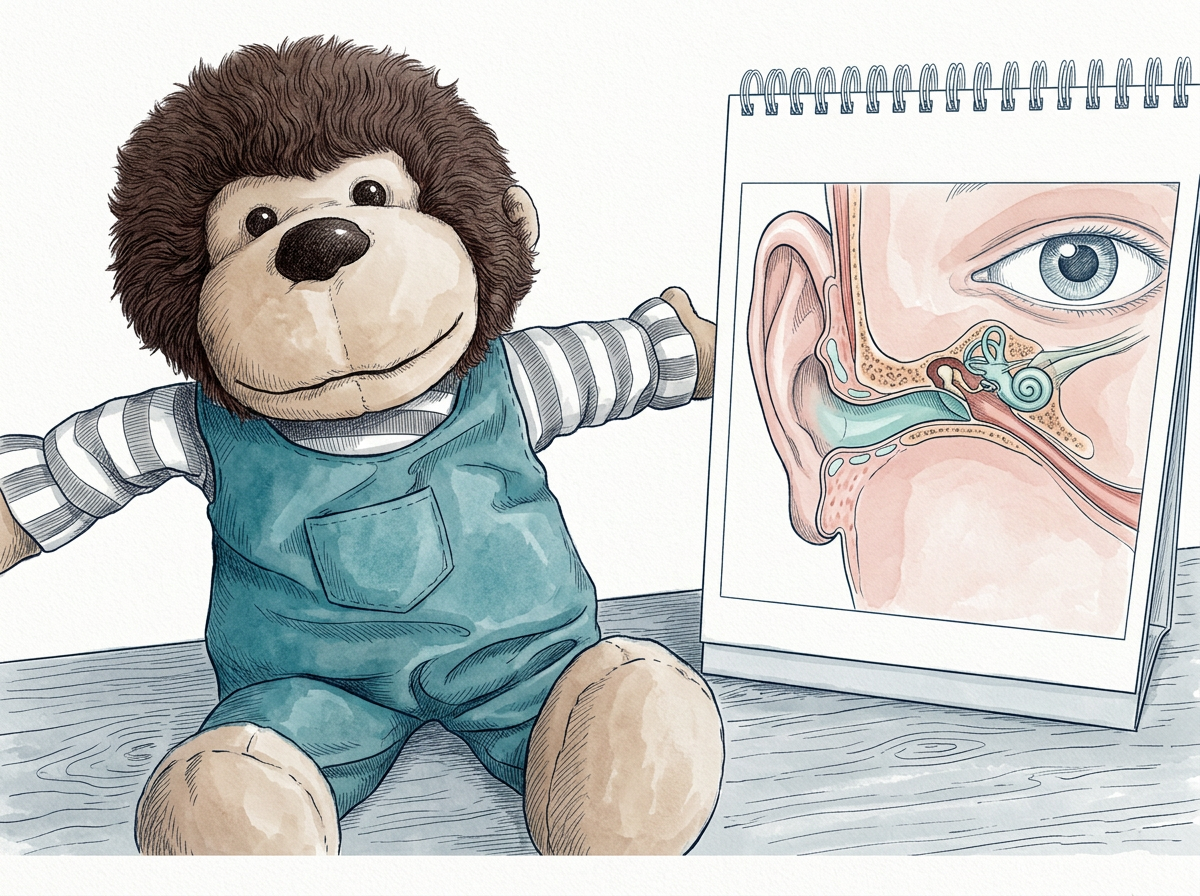
Hearing plays a crucial role in interpersonal communication and contributes significantly to normal speech development and to intellectual, psychosocial and emotional development. Untreated hearing disorders can lead to social isolation, depression and dementia. Particularly in children, hearing disorders can lead to a wide range of developmental impairments.
Diagnosis
Newborn hearing screening: an abnormal screening result is followed by further assessment in phoniatrics/paediatric audiology.
Audiometry: subjective and objective examinations for children and adults. Subjective audiometry at threshold and suprathreshold levels. Hearing distance testing, tuning fork testing, pure-tone threshold audiometry, speech audiometry, testing for feigned hearing loss, tinnitus diagnostics, checking hearing aid settings. Objective audiometry in children and adults: recording of auditory evoked brainstem potentials, measurement of otoacoustic emissions, automated newborn screening, tympanometry, recording of the stapedius reflex.
Types of hearing disorders:
Peripheral hearing disorders: affect the outer, middle and inner ear. Conductive hearing loss: impaired sound transmission in the external ear canal or middle ear. Sensorineural hearing loss: damage to the sensory hair cells in the inner ear. Mixed forms of hearing loss.
Central hearing disorders and auditory processing and perception disorders: the auditory nerves, brainstem nuclei or processing centres in the cerebrum are affected.
Treatment options
Conventional hearing aid provision.
Surgery: middle ear surgery with insertion of hearing prostheses.
Implantable hearing aids: bone conduction hearing systems (Bonebridge, OSIA, Attract, Adhear) and fully or partially implantable middle ear implants (Vibrant Soundbridge).
The choice of treatment depends on the type and cause of the diagnosed hearing disorder. A comprehensive diagnosis and prompt initiation of treatment are particularly crucial in children to avoid possible subsequent damage.