
Kopfzentrum Bielefeld
Oral cavity and pharyngeal cancer
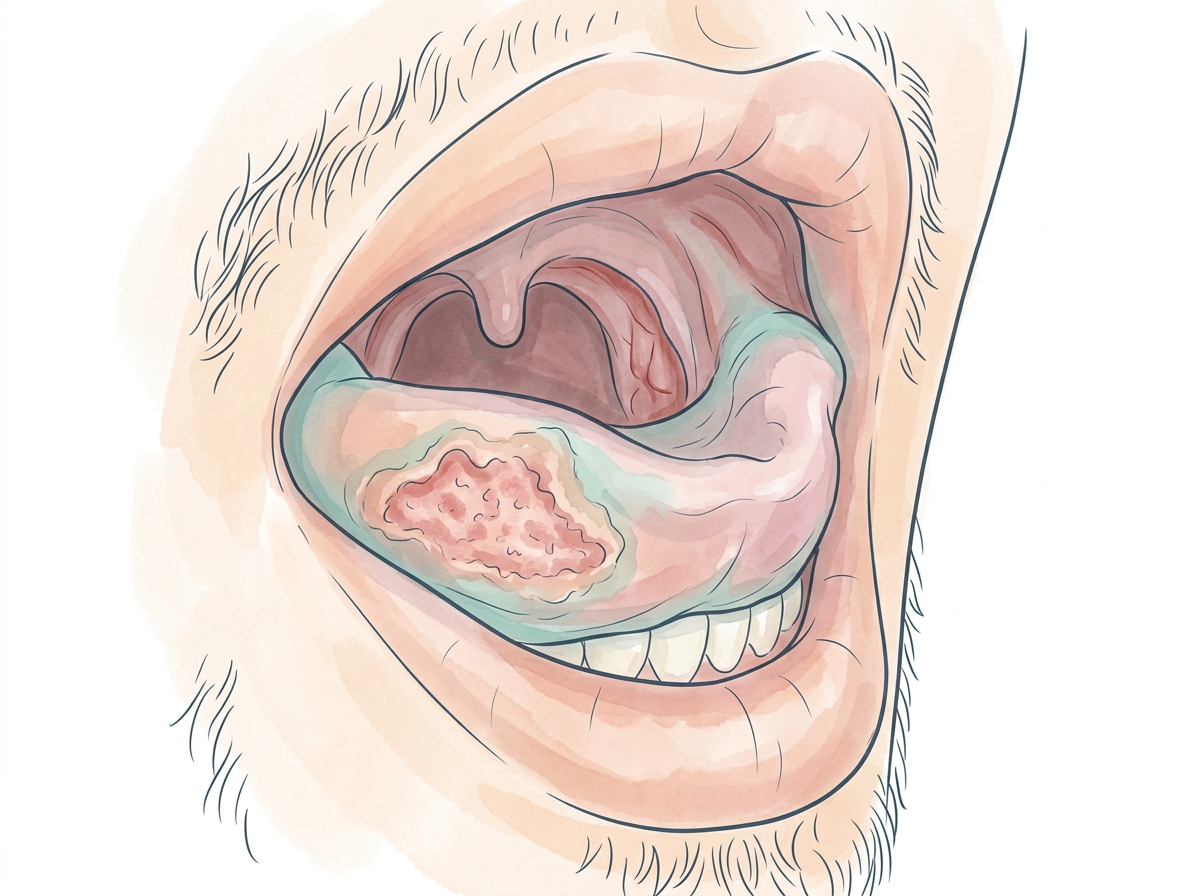
Diagnosis
Oral and pharyngeal cancer is diagnosed through a combination of different examinations. These include physical examinations, imaging techniques such as CT (computed tomography) and MRI (magnetic resonance imaging), and tissue samples obtained by biopsy. These diagnostic methods make it possible to determine the exact location, stage and spread of the cancer.
Reasons for treatment
Reasons for surgery for oral cavity cancer often involve the need to remove the tumour and protect the surrounding healthy tissue. Depending on the location and stage of the cancer, this may require a partial resection or more extensive surgery. The precise surgical approach depends on individual factors and is determined accordingly by the multidisciplinary medical team.
Treatment options
Surgery:
Location and extent of the tumour: Surgery to remove oral cavity cancer is performed under general anaesthesia and varies depending on the location and extent of the tumour.
Multidisciplinary surgical procedure: A multidisciplinary team performs the procedure, which may require laser surgery, tumour excision or, in advanced cases, radical surgery with reconstructive measures.
Focus: The focus is on complete removal of the tumour while preserving the function of the oral cavity.
Lymph node metastases: If metastases are present in the cervical lymph nodes, a neck dissection is performed at the same time as tumour removal, taking care to preserve nerves and blood vessels.
Alternative treatment options: In some cases, radiotherapy with or without chemotherapy may be considered as alternatives to surgery.
After the procedure
Postoperative phase: The postoperative phase includes monitoring, wound care and rehabilitation.
Aftercare instructions: Patients receive instructions for aftercare, including possible radiotherapy or chemotherapy.
Regular follow-up examinations: Regular follow-up examinations are crucial for monitoring the healing process and detecting any recurrences early.
Individual treatment planning: Individual treatment planning takes place in close consultation with the treating medical team to ensure the best possible treatment for the patient.