
Kopfzentrum Bielefeld
Malposition of the outer ears
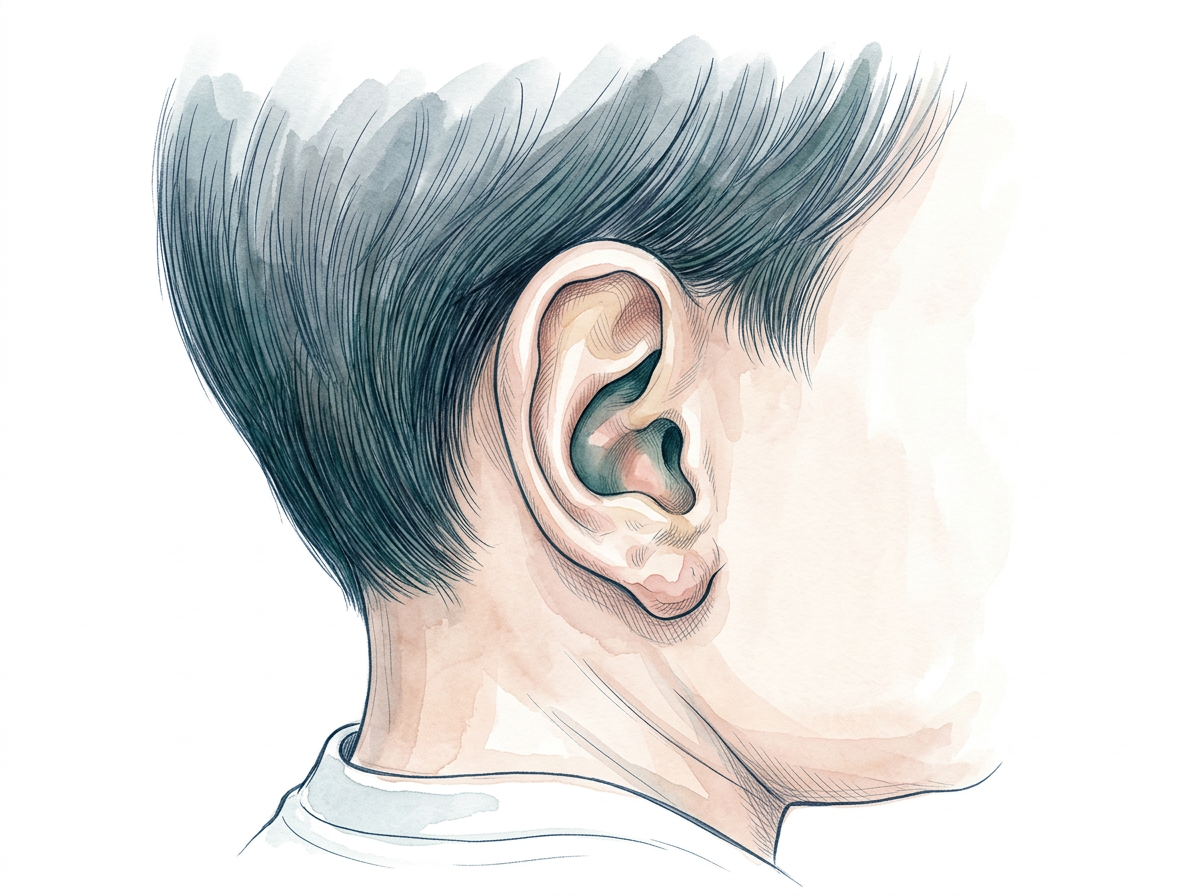
Correction of malposition of the outer ears, particularly prominent ears, is a plastic surgery procedure used in both children and adults. This procedure addresses not only aesthetic concerns but also younger patients who may suffer from teasing or problems with self-confidence.
Reasons for treatment
Prominent ears can arise for various reasons, such as insufficient folding of the ear cartilage or excess cartilage. These physical features can pose significant psychosocial challenges for those affected. Particularly in children, conspicuously protruding ears can lead to teasing that may impair self-esteem and social integration. Early correction, ideally before starting school, can help avoid such negative experiences.
Treatment options
Surgery: The operation, known as pinnaplasty, is typically performed as an outpatient procedure. In children, it is carried out under general anaesthesia, while in adolescents and adults, local or general anaesthesia may be used depending on the situation. The surgical process involves an incision behind the ear, through which the surgeon reshapes the cartilage to bring the outer ear closer to the head. The aim is a natural, aesthetically pleasing ear shape without the ears appearing unnaturally flattened or bent.
Aim of treatment
The decision to correct malposition of the outer ears is often not only a matter of aesthetics but also of personal well-being and social integration. Modern surgery offers effective methods of correcting prominent ears discreetly and with lasting results, always aiming for a natural appearance. Individual consultation and careful planning of the procedure are important to meet the patient's expectations as closely as possible and preserve ear function.
After the procedure
After surgery, a wraparound dressing is applied to support and protect the new contours. This dressing remains in place for approximately one week. Dissolvable sutures are often used in children, simplifying aftercare. Wearing a headband is recommended during the first few weeks after the procedure to protect the ears, particularly at night. Regular follow-up examinations are crucial to monitor healing and ensure optimal results. The final result of the correction is visible after a few weeks, once the swelling has subsided.