Kopfzentrum Bielefeld
Traumatology (nasal bone and midface fractures)
Facial injuries often affect the nose and the midface. Careful examination and timely treatment help preserve breathing, function and facial shape.
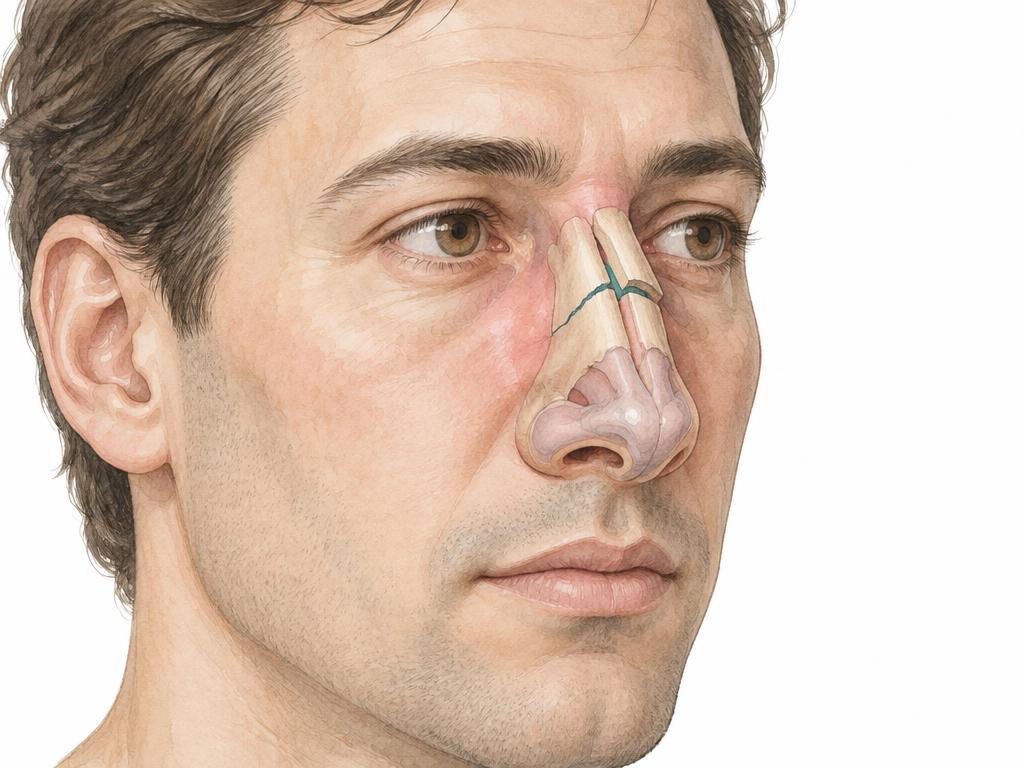
Nasal bone fracture
A broken nose is the most common facial fracture. Typical signs are swelling, bruising, nosebleeds, a visibly crooked nose and obstructed nasal breathing.
If the nasal bone is displaced, it can usually be realigned within the first days after the injury, once the swelling allows. We also check whether the septum is injured or a septal haematoma is present, which should be treated promptly.
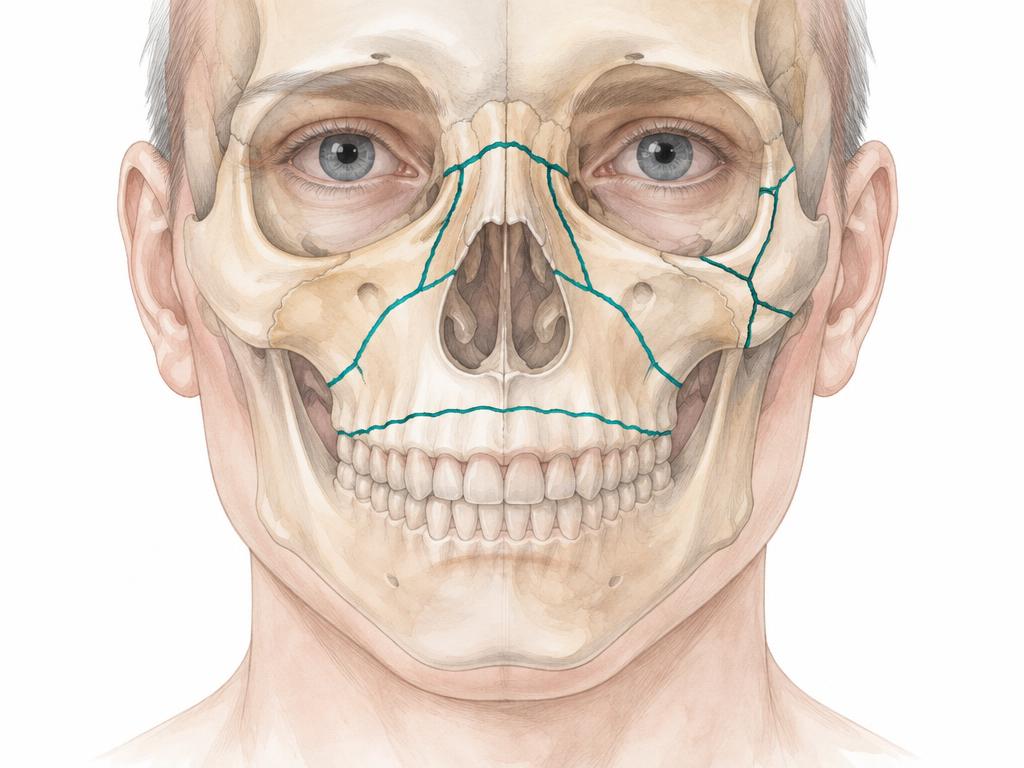
Midface fracture
The midface includes the upper jaw, cheekbone, eye socket and nasal framework. Fractures may cause numbness of the cheek, double vision, a changed bite or a flattened cheek.
Treatment planning is based on imaging, usually a CT scan. Displaced fragments are surgically realigned and stabilised with small plates where needed, through inconspicuous approaches whenever possible.
After treatment
Cooling, keeping the head raised and avoiding nose-blowing and sport in the first weeks support healing. Follow-up visits ensure that bone and soft tissue heal well.