
Kopfzentrum Bielefeld
Cyst treatment
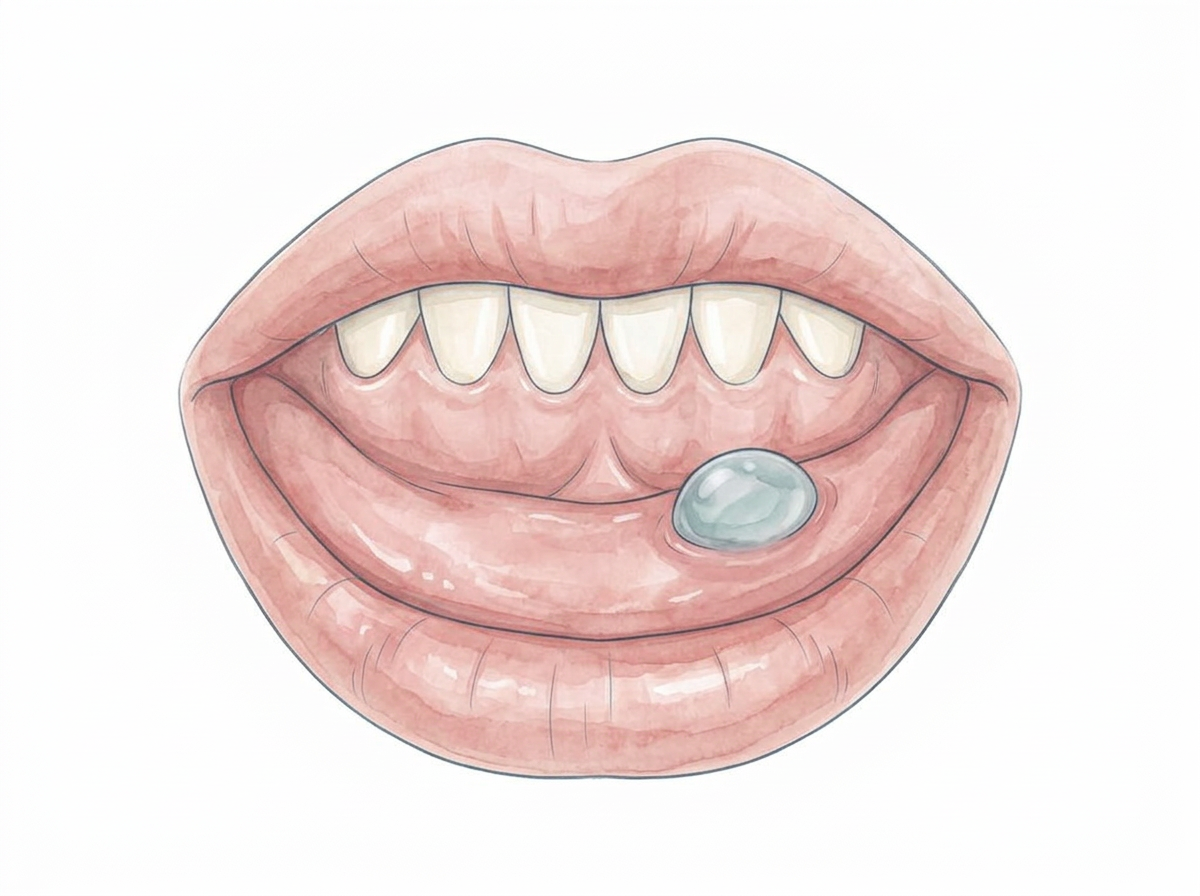
Jaw cysts are usually fluid-filled cavities in the jawbone or in the soft tissues of the mouth. They can have various causes. For example, teeth with dead nerves, teeth displaced within the jaw or incompletely developed teeth can lead to a cyst. Another cause can be tissue remnants left in the jaw after a tooth extraction that cause inflammation. Symptoms occur when jaw cysts continue to grow and, for example, press on other areas of tissue.
Reasons for treatment
Jaw cysts are benign but constitute a focus of inflammation and should therefore be removed. Depending on its size, a cyst can also damage neighbouring tissue such as nerves or cause deformation of the jawbone.
Treatment options
Removal of the jaw cyst (cystectomy): For small cysts, a local anaesthetic is usually sufficient to remove the cyst completely. If it is already very large, we often need to refill the resulting cavity. For this, we use artificial (alloplastic) bone substitute materials or transplant a piece of the patient’s own bone, particularly from the iliac crest. This is then carried out under general anaesthetic in our affiliated inpatient unit at Franzikus Hospital, where the operation is also performed by Dr. Dr. Pytlik M.Sc. Implantation of human donor bone is also possible.
Jaw abscesses: Jaw abscesses are collections of pus in the jaw that develop from inflammation. They should be treated early. This prevents pus from entering the bloodstream or teeth being lost due to excessively large cysts.
Initially, the inflammation usually causes minor symptoms, such as slight throbbing in the jaw during exercise or when you have a cold. At this stage, pus has generally not yet formed. Have these symptoms assessed by your dentist. This can often avoid the need for abscess treatment.
Severe pain indicates that a jaw abscess has developed and that the surrounding tissue may already be affected. A swollen cheek is also usually the result. To treat the abscess, we need to open the cavity in which the pus has accumulated. This allows the pus to be removed. As a jaw abscess is usually caused by a bacterial infection (often due to an inflamed root tip), accompanying antibiotic treatment is given in many cases.