
Kopfzentrum Bielefeld
Craniofacial malformations
Diagnosis
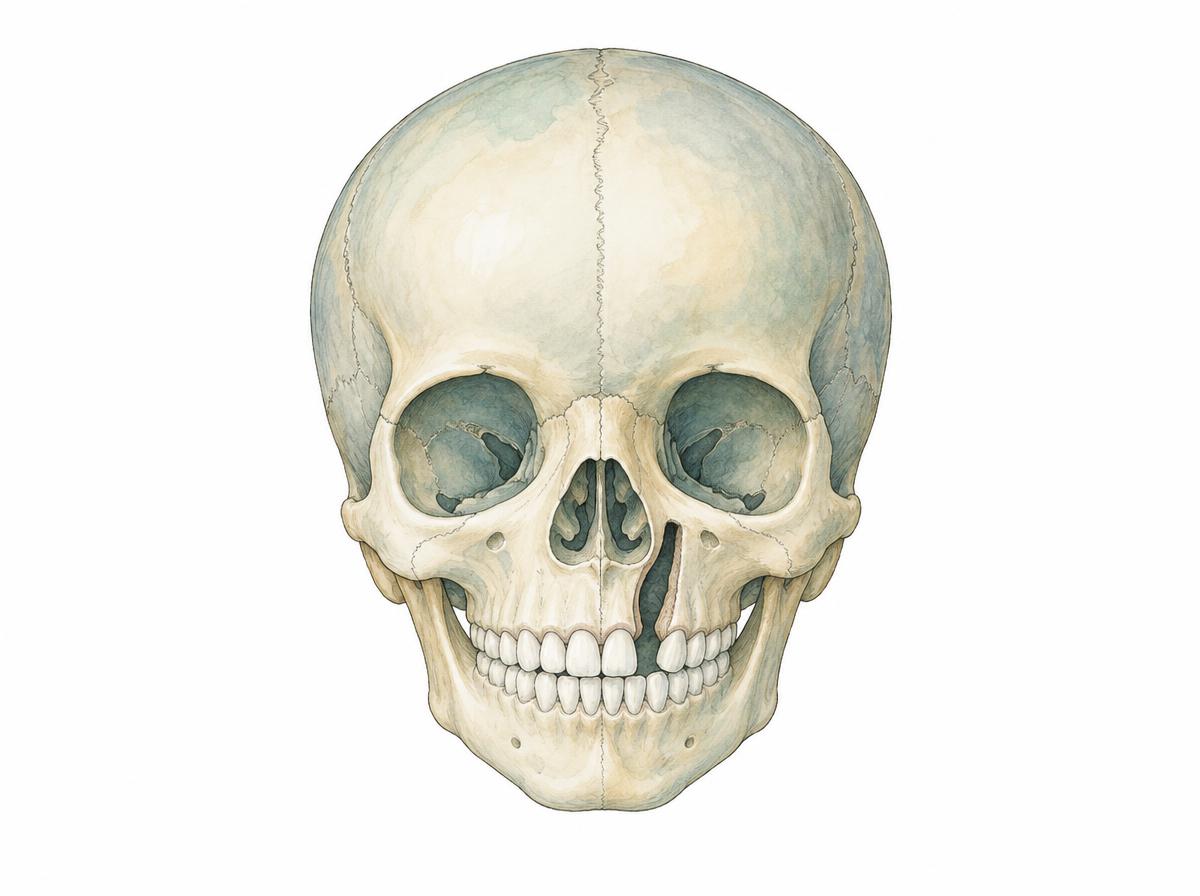
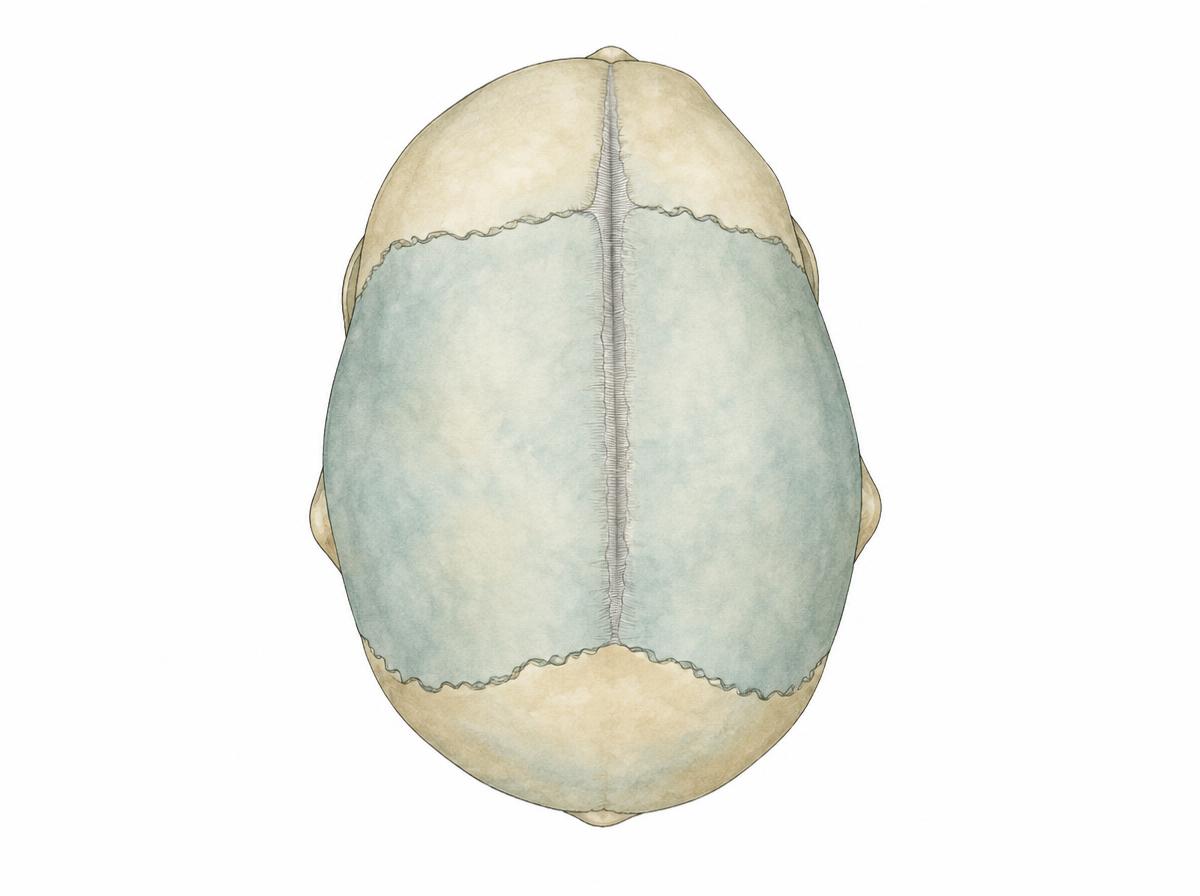
Craniofacial malformations affect the shape of the skull, facial skeleton, jaws and palate. They may be visible at birth or change during growth. Assessment includes clinical examination, measurement of skull and jaw shapes, testing of nasal breathing, feeding, hearing and vision, and cross-sectional imaging such as CT or cone-beam CT.
Forms
The spectrum ranges from premature closure of individual skull sutures (craniosynostosis) through clefts of the jaw and palate to undergrowth of the midface. Some forms occur as part of syndromes, others are isolated findings.
Treatment options
Treatment follows an individual plan and is usually discussed in a team with paediatrics, neurosurgery, oral and maxillofacial surgery, and hearing and speech support. Depending on the findings, correction of skull or jaw shape, closure of a palatal cleft, ventilation of the middle ear, securing nasal breathing, and audiologic and speech therapy support may be considered. The schedule and order of procedures depend on age, growth and function.