
Kopfzentrum Bielefeld
Paracentesis and ventilation tubes for middle ear effusion
What is a middle ear effusion?
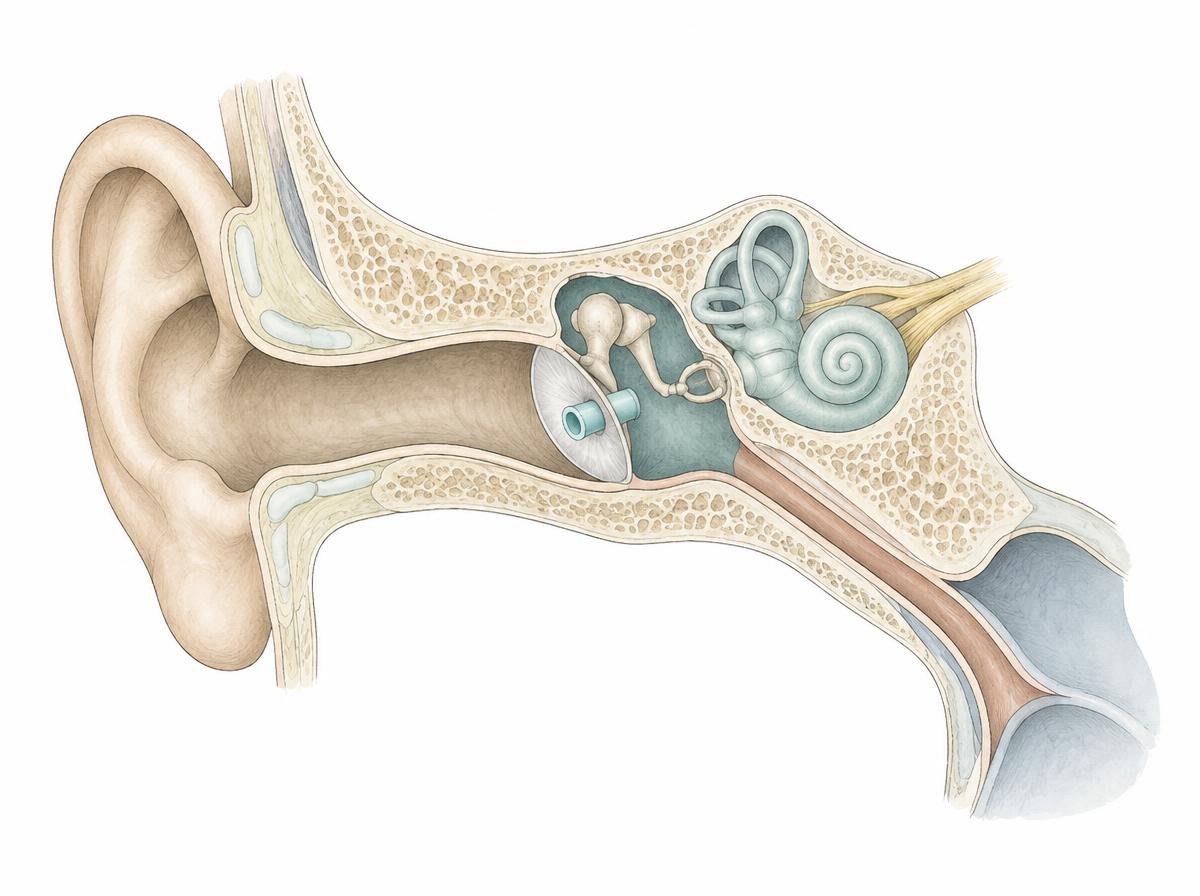
A middle ear effusion is fluid in the middle ear without signs of acute inflammation. The fluid can restrict movement of the eardrum, muffle hearing and create a feeling of pressure in the ear. Middle ear effusion is common in children and often goes unnoticed because hearing loss is not reported by the child.
Diagnosis
Assessment is carried out by ear microscopy, examination of the eardrum, tympanometry and hearing testing. In children, age-appropriate hearing tests and observation in everyday life complement the assessment. A middle ear effusion can occur on one or both sides and may persist for weeks to months.
Treatment options
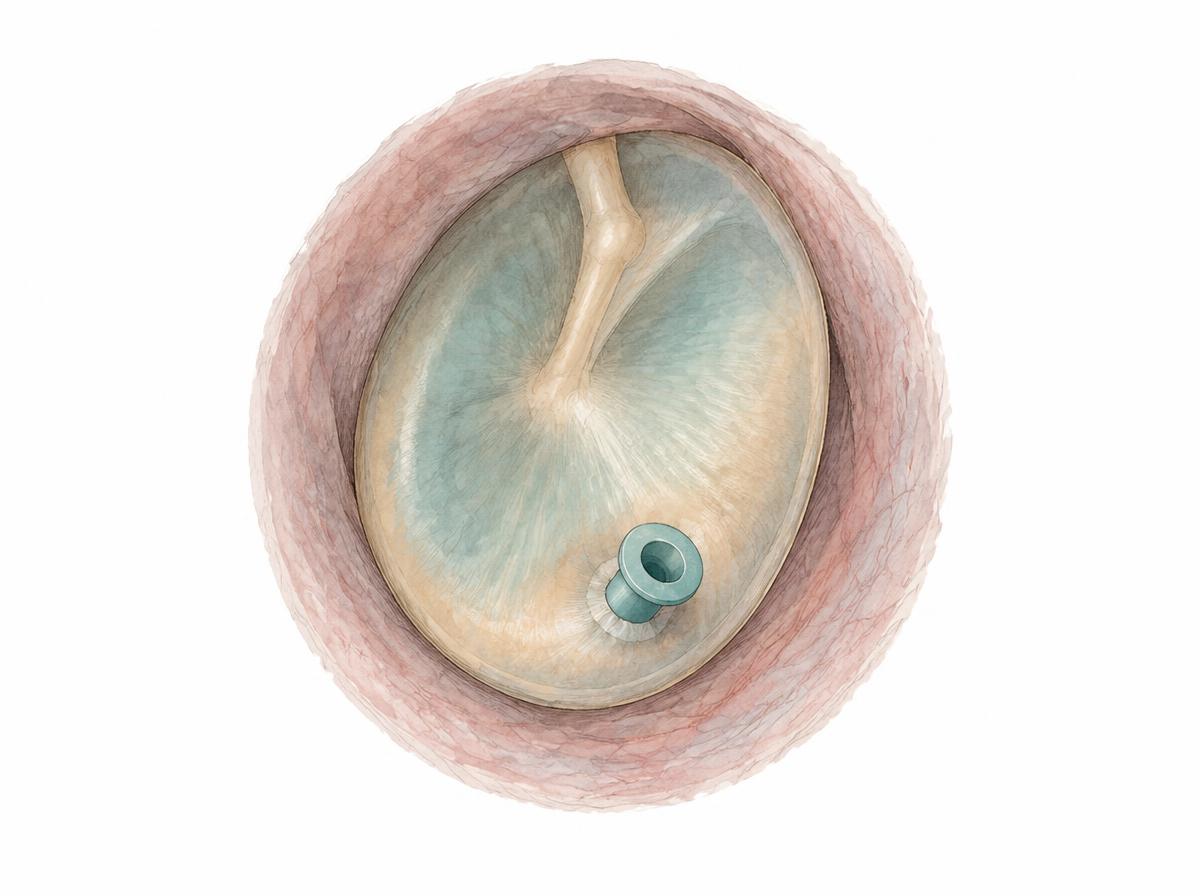
If complaints are minor, medical observation comes first, since an effusion can resolve on its own. If it persists, hearing is clearly impaired or the finding is bilateral, a paracentesis may be considered: a small opening is made in the eardrum so that the fluid can drain. A ventilation tube is often inserted as well; it maintains ventilation of the middle ear for a period of time and is usually expelled on its own.
After the procedure
After the procedure, the eardrum finding and hearing are checked by a doctor. While a ventilation tube is in place, water can reach the middle ear more easily; for swimming and diving, it is therefore advisable to seek advice. If pain, discharge or fever occur, prompt medical attention is needed.